When Your Radon System Needs Repair: What Homeowners Should Know
I have been in enough crawl spaces and basements over the years to know that a radon mitigation system is not a set-it-and-forget-it piece of equipment. Like a furnace or a sump pump, it has moving parts, it works under continuous load, and eventually something will need attention. The most common call I get from homeowners is not about a new installation but about an existing system that has stopped working or is making odd noises. That is where radon system repair comes in, and understanding what it involves can save you time, money, and unnecessary worry.
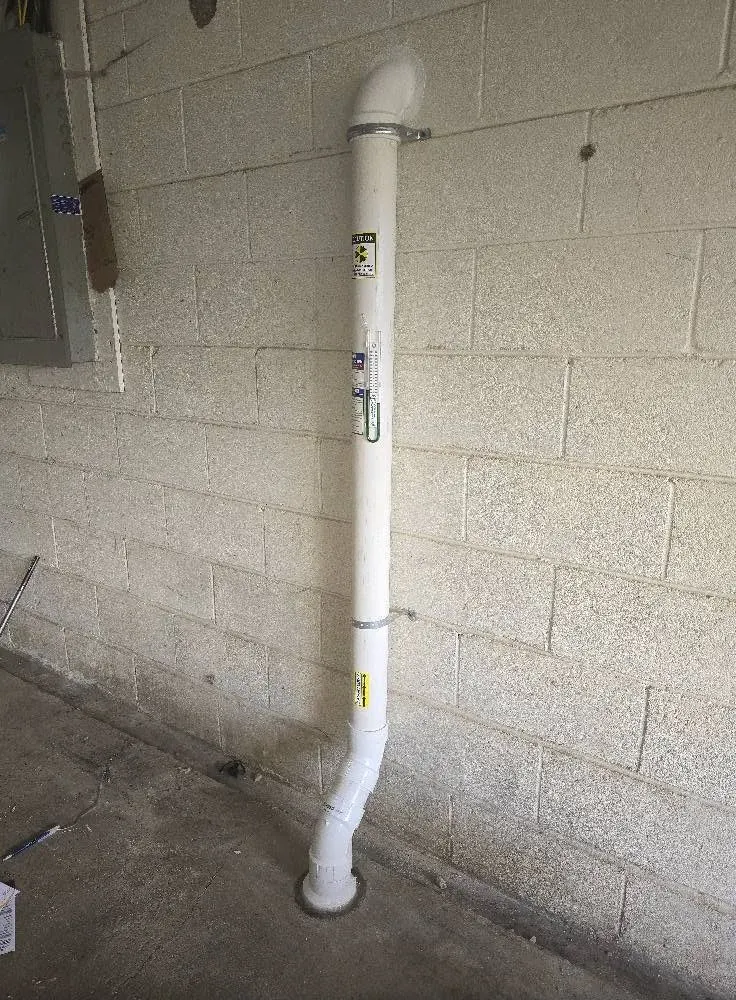
The typical residential radon mitigation setup in my area is an active soil depressurization system. A radon fan is mounted on the exterior of the house or in the attic, connected to a vent pipe that runs down through the slab into a sump pit or a collection of gravel beneath the foundation. That fan creates a negative pressure under the house, pulling soil gas, which includes radon, out through the PVC piping and venting it safely above the roofline. It is a simple, effective approach, but like anything mechanical, it can break down.
How to Know Your System Needs Attention
The first sign that you need a radon system repair is often something you can see yourself. Every active system should have a manometer, typically a U-tube manometer, installed on the pipe. This small device shows the pressure difference the fan is creating. If the fluid in the manometer is level, meaning both sides are equal, the fan is not moving air. That is the single most reliable indicator that something is wrong. I have walked into basements where the homeowner thought everything was fine, but the manometer had been sitting at zero for months. The fan was dead, and radon levels had likely been rising unnoticed.
Other symptoms are harder to miss. A humming or rattling fan, an unusual odor coming from the vent pipe, or condensation dripping from the system all point to a problem. Sometimes the issue is obvious, like a squirrel nest blocking the exhaust, or a fan that has seized up after years of exposure to moisture and temperature swings. Other times it is subtle, such as a gradual loss of suction caused by a crack in the PVC piping or a separation in the sealant around the floor penetration.
Common Failures and What They Mean
When I arrive for a radon system repair, the cause usually falls into one of a few categories. The most common is fan failure. A radon fan is designed to run continuously for years, but it is not immortal. Bearings wear out, electrical components fail, and moisture can short out the motor. Replacing the fan is straightforward, but the cost can vary depending on the model and whether the wiring needs updating.
Another frequent issue is a blockage in the vent pipe. Debris, insects, or small animals can get into the vent pipe and reduce airflow. In one case I worked on, the homeowner had placed a grill cover over the exhaust outlet, thinking it would keep rain out. It did, but it also created enough backpressure to stall the fan. That was an easy fix, but it illustrates how small changes can affect the whole system.
Less common but more serious are problems with the sub-slab depressurization path itself. Over time, the sump pit can become clogged with silt or the gravel beneath the slab can settle, reducing the area from which air is drawn. Sometimes the ground shifts and cracks the PVC piping, allowing the fan to pull air from inside the crawl space rather than from beneath the slab. That makes the system useless for radon mitigation. Diagnosing these issues often requires a smoke test or a pressure test to locate the leak.
When Repair Beats Replacement
Not every problem requires a full system overhaul. In many cases, a targeted repair is the most sensible route. If the fan is dead, replacing just the fan is far cheaper than installing an entirely new system. If the manometer is broken, swapping it out costs only a few dollars and a few minutes. Even a cracked pipe can often be repaired with a coupling and some fresh sealant rather than digging up the entire run.
But there are times when repair does not make sense. If the original installation was poorly designed, for example, the radon fan is undersized or the vent pipe has too many bends, patching it will not fix the underlying issue. In those cases, it is better to invest in a reconfiguration. I have seen homeowners spend hundreds of dollars on incremental repairs, only to eventually tear it all out and start fresh. A good contractor will tell you when it is time to stop repairing and start over.
The Role of Testing in the Repair Decision
Before you decide on any repair, you need to know what your radon levels actually are. I always recommend starting with a short-term test using a radon test kit that you can buy at a hardware store or order online. These tests take between two and seven days and give you a snapshot of current conditions. If the result is above the EPA action level of 4 picocuries per liter, you have a problem that needs addressing. If it is below that level but your system is clearly not running, the repair can wait a bit, but it should still be done.
For ongoing monitoring, a continuous radon monitor is a worthwhile investment. These devices plug into a wall and give you real-time readings. They are not cheap, but they provide peace of mind, especially after a repair. I have used them to verify that a system is working correctly before I leave the job site. A long-term test that runs for three to twelve months is better for an overall assessment, but for immediate troubleshooting, the continuous monitor is hard to beat.
DIY vs. Professional Repair
Some aspects of radon system repair are within the reach of a handy homeowner. Replacing a manometer, clearing a blockage from the vent pipe, or resealing a gap around the pipe with sealant are all tasks you can do yourself. But anything involving the radon fan or the electrical wiring should be left to a professional. Fans are wired into the house electrical system, and getting it wrong can create a fire hazard or void the warranty on the fan. More importantly, a professional has the tools to test the system thoroughly and ensure it is actually reducing radon levels.
There is also the matter of liability. If you attempt a repair and the system does not work afterward, you are responsible for the outcome. A licensed radon mitigation contractor carries insurance and can guarantee their work. Given that the purpose of the system is to protect your family's health, that peace of mind is worth the cost.
Preventive Measures and System Longevity
The best way to avoid frequent repairs is to install a quality system in the first place. That means using heavy-duty PVC piping, a fan rated for continuous outdoor use, and proper sealing cracks in the slab. It also means including a passive radon system during new construction, essentially a capped vent pipe that can be activated later with a fan if needed. Many homes built in the last twenty years have radon-resistant construction features, which make future mitigation much easier.
Regular maintenance is simple. Check the manometer visually every month. Listen for changes in the fan sound. Keep the exhaust outlet clear of snow, leaves, and nests. If your system was installed more than ten years ago, it may be worth having a professional inspect the entire assembly. I have found that a little attention goes a long way toward preventing a major repair down the line.
Cost Realities and Transparent Pricing
One of the reasons homeowners delay repairs is the fear of an unpredictable bill. A fan replacement can run between $300 and $600, depending on the model and labor. A full system overhaul can be $1,500 or more. But the cost of ignoring the problem is higher. Prolonged exposure to elevated radon levels increases your risk of lung cancer, and that is not something you want to gamble on.

I always tell people to ask for a detailed estimate before any work begins. A good contractor will break down the cost of parts, labor, and any testing they plan to do. They should also explain what they expect to find and what the likely outcome will be. If they cannot give you a clear answer, find someone else. The field of radon mitigation is small enough that reputation matters, and most contractors take pride in doing the job right.
Final Thoughts
Radon system repair is not something you deal with every year, but when it does come up, it is important to act quickly and wisely. Start with a test, check the manometer, and call a professional if you are unsure. A working system is your best defense against an invisible danger, and keeping it in good shape is one of the smartest investments you can make for your home.